
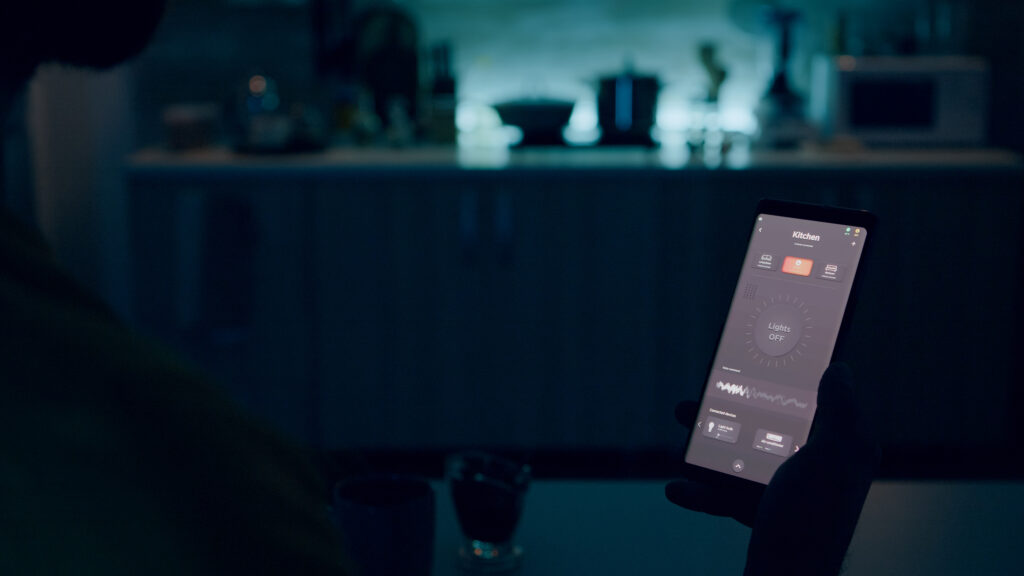
The modern home is no longer a collection of analog devices; it’s a rapidly expanding network of Internet of Things (IoT) devices. From smart thermostats and security cameras to voice assistants and internet-connected refrigerators, these gadgets offer incredible convenience, but they collectively introduce a sprawling attack surface to your private network. Many IoT devices are rushed to market with little attention paid to security, often featuring default, hardcoded passwords or outdated operating systems, making them easy targets for hackers.
The consequences of a compromised smart home go beyond mere inconvenience. A hacker could pivot from a vulnerable smart lightbulb to access your financial data on your personal computer. Exploited security cameras can be used for doxing or surveillance, and hijacked devices can be aggregated into massive botnets (like the infamous Mirai botnet) to launch distributed denial-of-service (DDoS) attacks on critical infrastructure. Your home could unwittingly become a weapon.
Securing your smart home requires a few essential steps. First, change all default passwords immediately upon setup, choosing complex, unique credentials for every device. Second, segment your network using a separate Guest Wi-Fi or a dedicated IoT VLAN. This isolates the less-secure smart gadgets from your critical devices (laptops, phones) so a compromise can’t spread. Third, keep firmware updated religiously to patch known vulnerabilities.
Finally, be mindful of the privacy implications. Understand what data your smart speaker or camera is collecting and where it is being stored. By treating every new device as a potential security risk and following these simple configuration steps, you can harness the convenience of the smart home without sacrificing your digital safety.


1 Comment
Raguvaran R
Nice