
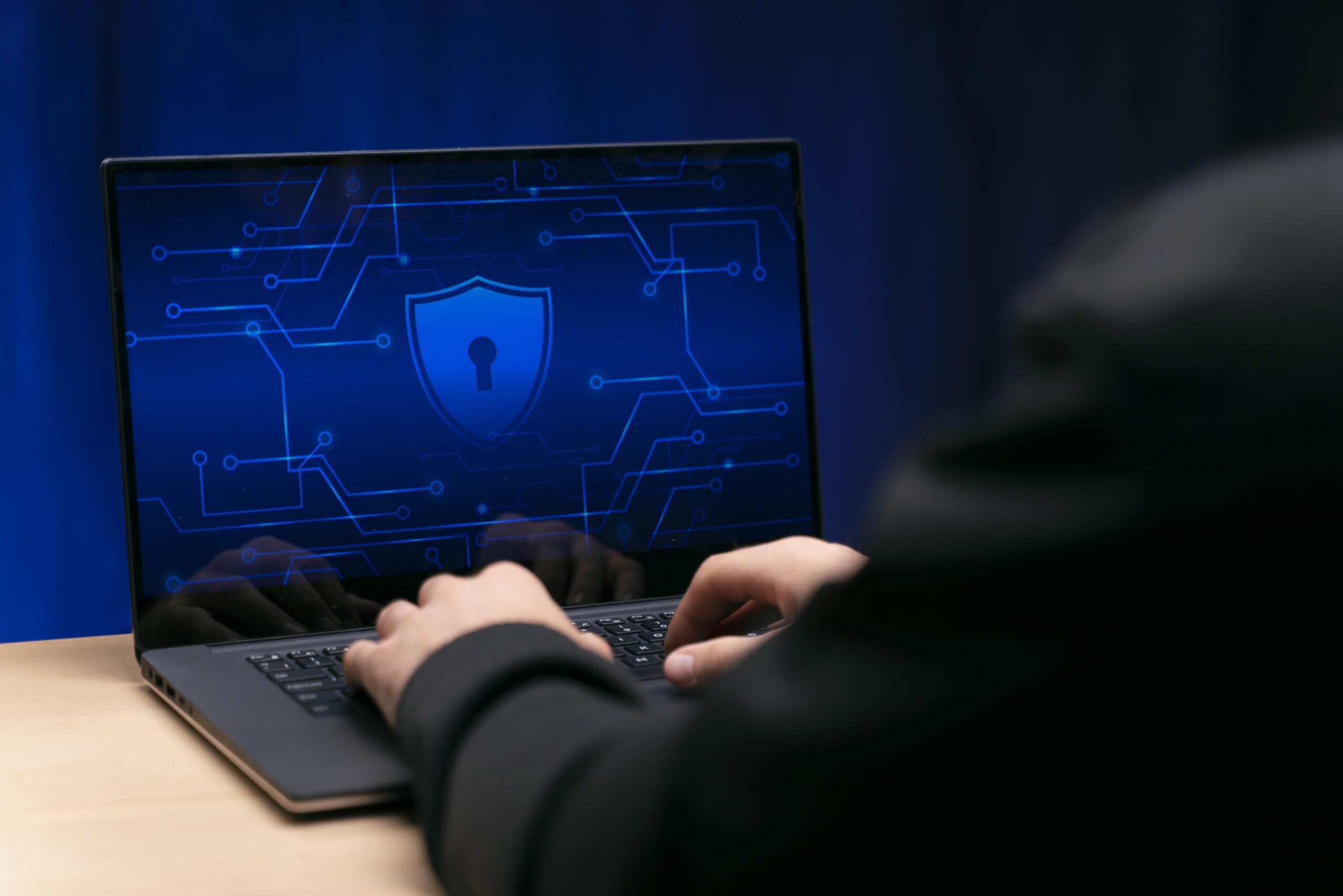
Cyber Awareness is the knowledge and practice of staying safe in the digital world. It helps individuals recognize cyber threats such as phishing, malware, and hacking, and equips them to respond effectively. By following safe internet habits, users can prevent data breaches, identity theft, and financial loss. Protecting personal information and understanding privacy settings are essential parts of staying secure online. Overall, being cyber aware empowers individuals to confidently navigate the internet while minimizing risks.
Cyber threats include malware, phishing, and hacking attempts targeting personal and organizational data.
Recognizing these threats early helps prevent financial loss and identity theft.
Awareness empowers users to respond proactively and stay safe online.
Using strong passwords, two-factor authentication, and secure networks reduces the risk of attacks.
Avoid clicking on suspicious links or downloading unverified files.
Regularly updating software ensures protection against new vulnerabilities.
Personal information shared online can be misused if not properly protected.
Encrypt sensitive data and limit sharing on social platforms.
Understanding privacy settings on apps and websites is essential for safety.
Phishing emails and fake websites trick users into revealing confidential information.
Learn to identify suspicious emails, messages, or calls requesting personal data.
Always verify sources before sharing sensitive information.
Employees are the first line of defense against cyberattacks in organizations.
Regular training and awareness sessions help reduce human error.
Implementing policies and guidelines strengthens overall organizational security.




Recent Comments